
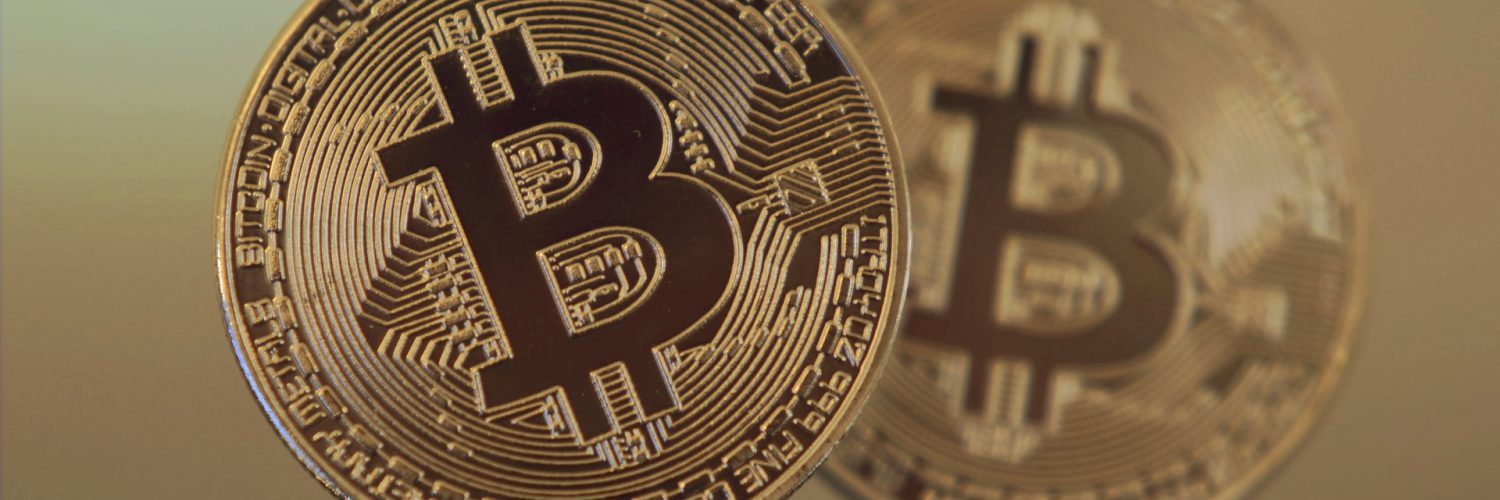
Because of the rise of Bitcoin (and other cryptocurrencies), it has become possible to participate (more) anonymously in payment transactions. This has also increased the opportunities for money laundering. Also, bitcoins are widely used to purchase prohibited substances and goods on the dark web.
In recent years, the Belgian Prosecutor's Office has become active in tracking down crimes committed using Bitcoins. There have already been several cases in which laundering criminal money into anonymous bitcoins has led to convictions (Bitcoin cashers). However, there is still little knowledge of cryptocurrency at the prosecutor's office and certainly at local police units.
When does Bitcoin money laundering occur?
The use of Bitcoin is not in itself punishable, given that Bitcoin is considered a valid electronic medium of exchange. In the Netherlands, the court in Overrijsel in 2014 that Bitcoin is not legal tender, but a medium of exchange, just like gold and silver.
- Black money laundering
- trafficking drugs online, as for example through the websites Silk Road I and II
- Using others' computers without permission, in order to mine bitcoins with them (for example, through a botnet).
If you are suspected of a Bitcoin (or other cryptocurrency) related crime, it is important that you contact a specialized attorney as soon as possible. Our lawyers have extensive knowledge of cybercrime and cryptocurrency.
What is the penalty for Bitcoin laundering?
Money laundering is criminalized in Article 550 Penal Code.
The penalty is: a prison sentence of 15 days to 5 years and/or a fine of 26 to 100,000 euros (amounts in 2018 to be multiplied by 8).
The circumstances of the case can greatly affect the punishment that will be imposed. Especially when it comes to the long-term and organized laundering of criminal money through Bitcoin, the penalties can be higher.
Unusual transactions and CTIF-CFI
Many financial institutions (such as your bank) are required to report unusual transactions to the CFI. You will not be notified of this.
CTIF-CFI determines whether an unusual transaction is also a suspicious transaction. This is done on the basis of whitewash typologies.
We note that the judiciary has a false image of cryptocurrency trading. We have been able to convince the court on several occasions that trading in Bitcoins, for example, is not automatically suspicious or criminal.


 Dutch
Dutch  English